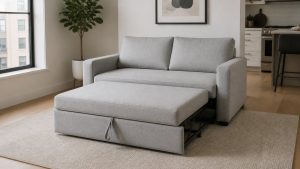
For furniture importers, retailers, hotel buyers, apartment project buyers, and e-commerce sellers, understanding how a vacuum compression sofa works is essential for making informed purchasing decisions. These innovative sofas combine comfort, durability, and space-saving shipping, making them ideal for bulk orders. Before placing an order, buyers should compare structure, foam or padding, upholstery material, packaging method, MOQ, lead time, sample approval, and quality inspection requirements.
What Buyers Should Know About Vacuum Compressed Sofa
Learn how a vacuum compressed sofa is made, packed, shipped, expanded, and inspected before bulk production. Top-ranking pages usually explain the basic product benefits, comfort, safety, or style. A stronger buying guide should also cover factory capability, product structure, compression or upholstery details, export packaging, sample testing, and long-term durability.
Key Factors to Compare
- foam resilience
- vacuum sealing
- plastic bag strength
- expansion time
- factory QC
- user setup
Comfort and Structure
Comfort should be judged together with support. For compressed sofas, foam density, expansion recovery, seat depth, back angle, and upholstery feel are important. For soft beds, headboard padding, frame strength, slat spacing, center support, and mattress compatibility affect daily use.
Materials and Durability
Fabric, velvet, boucle, linen, leather, and PU leather each create a different look and maintenance requirement. Buyers should ask about abrasion resistance, color consistency, foam resilience, frame material, stitching quality, and whether the product is suitable for home, hotel, apartment, or commercial use.
Wholesale and Export Considerations
For B2B orders, confirm MOQ, sample cost, bulk lead time, custom options, compression ratio, carton size, container loading, hardware packing, assembly instructions, inspection standard, and after-sales responsibility. These details often decide whether a product performs well after shipping.
How to Choose the Right Product
Start with the target market. Online sellers need compact packaging, clear setup instructions, and low return rates. Hotels need durable upholstery and consistent appearance across rooms. Apartment projects need space-saving sizes and reliable assembly. Retailers need attractive designs, stable quality, and repeatable supply.
Quality Checklist Before Bulk Production
- Approve fabric, color, foam feel, and finish samples before production.
- Check product dimensions, comfort, stability, and expansion or assembly result.
- Inspect stitching, seams, slats, center support, legs, hardware, and labels.
- Review carton strength, vacuum bags, corner protection, and instructions.
- Ask for inspection photos or reports before shipment.
FAQ
How does a vacuum compressed sofa work?
The best answer depends on the product structure, material specification, target market, order quantity, packaging method, and supplier capability for vacuum compression sofa.
How long does a compressed sofa take to expand?
The best answer depends on the product structure, material specification, target market, order quantity, packaging method, and supplier capability for vacuum compression sofa.
Does vacuum packing damage the sofa?
The best answer depends on the product structure, material specification, target market, order quantity, packaging method, and supplier capability for vacuum compression sofa.
What foam is used in compressed sofas?
The best answer depends on the product structure, material specification, target market, order quantity, packaging method, and supplier capability for vacuum compression sofa.
Conclusion
A better furniture buying decision comes from checking both the product and the factory process. When buyers understand comfort, structure, material, packaging, customization, and inspection requirements, they can source compressed sofas and soft beds with stronger quality, smoother shipping, and better long-term value.
Additional Insights on Vacuum Compressed Sofa Manufacturing
Understanding the factory process behind a vacuum compression sofa is crucial for ensuring product quality and consistency. The process typically involves several key stages, from foam cutting to final packaging.
Step-by-Step Factory Process
- Foam Cutting and Shaping: High-resilience foam is cut into precise shapes for seats, backs, and armrests. Foam density typically ranges from 25-40 kg/m³ for optimal comfort and recovery.
- Frame Construction: Frames are built from kiln-dried hardwood or engineered wood, ensuring strength and stability. Joints are reinforced with metal brackets or dowels.
- Upholstery Assembly: Fabric or leather is cut, sewn, and fitted over the foam and frame. Stitching quality is critical for durability, with double-stitched seams being standard.
- Compression and Sealing: The sofa is placed inside a heavy-duty plastic bag. A vacuum machine removes air, compressing the sofa to up to 80% of its original volume. The bag is then heat-sealed to maintain the vacuum.
- Carton Packing: The compressed sofa is placed in a reinforced carton with corner protectors. This reduces shipping volume by up to 60%, lowering freight costs.
According to industry data, vacuum compression sofa models can reduce shipping costs by 40-60% compared to traditional sofas. This makes them highly attractive for e-commerce sellers and bulk importers.
Expansion and Recovery Time
Once the buyer opens the vacuum bag, the sofa expands naturally. Expansion time varies based on foam density and room temperature. Typically, it takes 24-48 hours for the sofa to fully recover its original shape and comfort level. Buyers should allow this time before use to ensure optimal performance.
Data on Durability and Performance
- High-resilience foam used in vacuum compression sofa can withstand over 50,000 compression cycles without significant loss of support.
- Plastic bags for vacuum sealing are tested to hold pressure for up to 6 months, ensuring safe shipping and storage.
- Expansion recovery rate is typically 95-100% within 48 hours at room temperature (20-25°C).
Frequently Asked Questions About Vacuum Compressed Sofas
Q: How does a vacuum compression sofa work?
A: A vacuum compression sofa works by removing air from a heavy-duty plastic bag containing the sofa, which compresses the foam and reduces its volume by up to 80%. The bag is heat-sealed to maintain the vacuum, allowing for compact shipping and easy storage.
Q: How long does a compressed sofa take to expand?
A: Typically, a vacuum compression sofa takes 24-48 hours to fully expand and recover its original shape. Factors like foam density and room temperature can affect this time. It’s recommended to place the sofa in a warm, dry area for faster expansion.
Q: Does vacuum packing damage the sofa?
A: No, vacuum packing does not damage the sofa when done correctly. High-quality foam used in vacuum compression sofa is designed to withstand compression and recover fully. However, improper sealing or poor-quality foam can lead to permanent deformation. Always choose a reputable factory with proven quality control.
Final Recommendations for Buyers
When sourcing a vacuum compression sofa, prioritize factories with a strong track record in foam resilience and vacuum sealing technology. Request samples to test expansion and comfort firsthand. Verify that the plastic bag meets international shipping standards to prevent leaks during transit. By following these steps, buyers can secure a vacuum compression sofa that offers both cost savings and customer satisfaction.