Quick answer: Upholstery rub count is a lab abrasion measure that helps compare fabric durability, but it should not be the only buying factor. Cleaning method, pilling, colorfastness, weave, backing, seam quality, and real traffic level also matter.
This guide was selected after checking the current Bolon Home post inventory, real buyer furniture questions, and ranking search results. It avoids recent duplicate topic clusters and focuses on the practical buying details that help homeowners, retailers, designers, hotel buyers, and project purchasers make a clearer decision.
Gap this article fills: Many pages treat rub count as a simple ranking number. This article explains how to use it with cleaning, pilling, pets, children, hospitality use, and supplier documentation.
What Buyers Usually Ask Before Ordering
Home buyers want durable upholstery that still feels comfortable. B2B buyers need fabric data that supports retail claims, hospitality projects, and warranty decisions.
- Will it fit the room, doorway, elevator, stair turn, and daily traffic path?
- Will the material clean well after real use, not only after a showroom demo?
- Can the supplier explain dimensions, construction, packaging, warranty, and replacement support?
- Does the furniture solve the user’s actual comfort or storage problem?
Key Measurements And Buying Rules
| Check | Why It Matters | Practical Rule |
|---|---|---|
| Room fit | Prevents a good-looking product from blocking movement or overpowering the space. | Use higher-performance upholstery in family rooms, rentals, offices, hotels, waiting areas, and any seat used daily. |
| User fit | Comfort depends on body height, sitting habits, pillow use, and daily routines. | High-friction habits such as lounging in denim, pets jumping up, and frequent edge sitting increase abrasion beyond light-use assumptions. |
| Material detail | Fabric, leather, upholstery, foam, and hardware determine cleaning and durability. | Request rub count, pilling result, colorfastness, stain-resistance notes, care method, and whether the number is Wyzenbeek or Martindale. |
| Delivery access | Failed delivery is one of the easiest problems to prevent before purchase. | Keep approved fabric swatches tied to the order so production material can be checked against the confirmed sample. |
How To Evaluate It In A Real Home
Rub count is useful for shortlisting, but touch the fabric, inspect the weave, ask about pilling, and consider the cleaning routine. A very high number does not automatically mean the fabric is soft, stain-proof, or pet-proof.
Use painter’s tape on the floor when the decision involves layout. For sofas, mark the outside width, seat depth, chaise length, and coffee table distance. For beds, check mattress size, headboard position, storage access, nightstand spacing, and walking clearance on both sides.
Care And Maintenance Advice
Vacuum with a soft upholstery attachment and manage friction points on arms, seat fronts, and cushion edges. Use cleaners that match the fabric care code.
Always test cleaning on a hidden area first. For upholstered furniture, vacuum dust and crumbs before using any liquid cleaner. For removable covers, confirm whether machine washing is allowed, whether cold water is required, and whether air drying is necessary to reduce shrinkage. For leather or coated upholstery, avoid harsh solvents that can damage the surface finish.
B2B Sourcing Checklist
For retailers, interior designers, hotel rooms, serviced apartments, villas, and furniture sourcing teams, ask the supplier for written details instead of relying only on product images.
| Supplier Check | What To Request |
|---|---|
| Specification sheet | Overall dimensions, usable dimensions, material composition, frame or support details, and care code. |
| Sample and finish control | Fabric swatches, color tolerance, batch consistency, and photo confirmation before bulk production. |
| Packaging and logistics | Carton size, gross weight, loading quantity, assembly steps, hardware list, and spare-parts policy. |
| Commercial risk | MOQ, lead time, warranty terms, replacement covers or parts, claim process, and after-sales contact. |
Common Mistakes To Avoid
- Comparing Wyzenbeek and Martindale numbers as if they convert exactly.
- Choosing the highest rub count while ignoring pilling, cleanability, and comfort.
- Choosing by staged photos without checking the product specification sheet.
- Ignoring how the piece will be cleaned, repaired, moved, or reordered after the first year.
Bolon Home Relevance
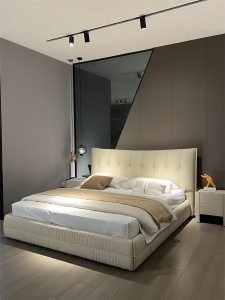
This guide supports Bolon Home sofa, sectional, modular sofa, and upholstered bed buyers who need clearer upholstery durability comparisons.
When comparing Bolon Home sofas, sectionals, upholstered beds, storage beds, and living room products, review dimensions, material direction, room fit, care expectations, and inquiry details together. A practical furniture decision should combine style, comfort, maintenance, and sourcing reliability.
FAQ
What is the first thing to check for upholstery rub count?
Ask which test was used, what number was achieved, what fabric care code applies, and whether pilling or colorfastness data is available.
How is this guide different from common search results?
Many ranking pages explain definitions or show inspiration images. This guide adds measurement rules, buyer risk checks, maintenance advice, and B2B sourcing questions.
Is this useful for trade or project buyers?
Yes. The same checks help retailers, interior designers, hotel buyers, and furniture sourcing teams compare suppliers and reduce returns.
What should I ask before placing a furniture order?
Ask for dimensions, material swatches, construction details, package size, MOQ, lead time, care instructions, warranty terms, sample policy, and replacement-part availability.