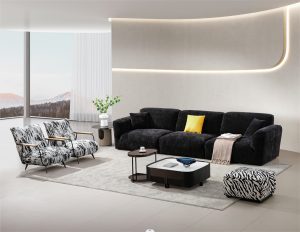
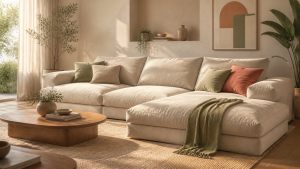
Hypoallergenic upholstered bed materials can help create a cleaner, more comfortable sofa bed setup for people who are sensitive to dust, pet dander, or common fabric allergens. Since a sofa bed is used for both sitting and sleeping, the upholstery material should resist allergen buildup, feel comfortable against the skin, and stay easy to clean. This guide explores five practical hypoallergenic fabric choices for upholstered beds and sofa beds, helping you choose a healthier, low-maintenance option for everyday comfort.
Why Allergy-Friendly Fabrics Matter for Your Sofa Bed
Hey there! If you or someone in your home deals with allergies, you know how important it is to create a sanctuary. Your sofa bed, which serves as both a seating area and a sleeping space, can be a surprising hotspot for allergens like dust mites, pet dander, and mold spores. Choosing hypoallergenic upholstery fabrics isn’t just about comfort—it’s about health. It helps minimize those irritating sneezes and itchy eyes, making your multi-functional furniture truly welcoming for everyone, whether they’re lounging or sleeping over.
The Hidden Allergens in Your Upholstery
You might wonder, “What’s lurking in my couch?” Common allergen-resistant upholstery materials are designed to combat specific problems. Dust mites, for instance, love to burrow into porous, fibrous fabrics. Materials that are tightly woven or non-porous create a surface where these critters and their waste can’t easily penetrate or accumulate. Similarly, fabrics that resist moisture help prevent mold growth. So, when we talk about low-irritant sofa bed covers, we’re really talking about creating a physical barrier against these unwanted guests, which is a game-changer for your daily comfort.
Top 5 Hypoallergenic Upholstery Choices
Let’s dive into five fantastic options for your sofa bed fabric that is good for allergies. Each has its own superpower when it comes to creating a healthier living space. I’ll break down why they work and what makes them a smart pick for your convertible furniture.
Tightly Woven Microfiber
Microfiber is a superstar in the world of non-allergenic furniture textiles. It’s made from extremely fine synthetic fibers woven tightly together. This dense weave leaves little room for dust mites to settle in. Plus, it’s incredibly easy to clean—often just a damp cloth will do—which helps remove surface allergens quickly. For a sofa bed that gets frequent use, this durability and easy maintenance are huge perks. It’s a practical and effective choice for an anti-dust mite upholstery fabric.
Genuine Leather or Faux Leather
Leather and its high-quality synthetic counterparts (like vinyl or PU leather) offer a smooth, non-porous surface. Allergens simply can’t penetrate it. You can wipe them away effortlessly. While genuine leather is a premium option, modern faux leather for allergy sufferers has come a long way in terms of look, feel, and breathability. This makes either one an excellent hypoallergenic material for sleeper sofas, as they are robust enough to handle the folding mechanism while staying easy to keep clean and allergen-free.
Natural Latex Foam Cushions
Now, let’s talk about what’s *inside* your sofa bed. The cushioning matters too! Traditional polyurethane foam can sometimes harbor dust mites. A great alternative is natural latex foam. It’s derived from rubber trees and has a naturally resistant structure that dust mites and mold don’t like. It’s also more breathable. When looking for a sofa bed with hypoallergenic filling, ask if natural latex is an option for the seat cushions or the mattress core. It can make a significant difference in air quality and comfort. You can learn more about its properties from resources like the ASTM International standards for flexible foam.
Organic Cotton with a Tight Weave
If you prefer a natural fiber, look for organic cotton upholstery that is tightly woven. The key here is the weave density. A loose, fluffy cotton is a magnet for allergens, but a dense, smooth canvas or twill weave provides much better resistance. Organic cotton is also processed without harsh chemicals, which can be a bonus for those with sensitive skin or chemical sensitivities. It’s a breathable and natural choice for a healthy sofa bed covering.
Performance Fabrics with Barrier Tech
This category includes high-tech fabrics often used in outdoor or family furniture, now perfect for allergy-safe convertible bed fabrics. Brands like Sunbrella or Crypton engineer fabrics that are inherently stain-resistant, moisture-resistant, and antimicrobial. This built-in technology actively prevents the growth of mold, mildew, and bacteria. They are fantastic for a sofa bed in a high-use area, as they are designed to be cleaned thoroughly and frequently without degrading. For more on fabric treatments and health, you can refer to information from the EPA Safer Choice program.
Making the Right Choice for You
So, how do you pick? Think about your lifestyle. Do you have pets? Kids? Is the sofa bed in a damp basement or a dry living room? For ultimate ease, a leather or performance fabric might be your best bet. If you love the feel of fabric, a tight microfiber or woven organic cotton could be ideal. And don’t forget to ask about the cushion core—natural latex is a worthy upgrade. Remember, the best hypoallergenic upholstered bed materials combine a resistant outer fabric with a clean inner filling. Your goal is a sofa bed that looks great, feels comfy, and lets everyone breathe easier, day and night.