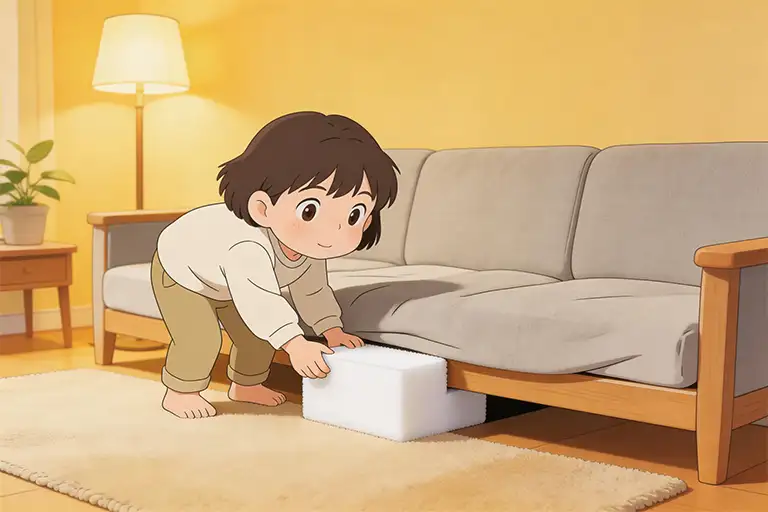
A sagging sofa bed can ruin your comfort and shorten its lifespan. This guide explains why sofa beds lose support and offers five practical, easy-to-implement solutions to restore firmness and ensure a great night’s sleep on your convertible couch.
Why Do Sofa Beds Start to Sag?
Hey there! If you’re wondering how to stop your sofa bed from sagging, you’re not alone. It’s a common issue with sleeper sofas and pull-out couches. Think of it like your favorite pair of shoes—over time and with constant use, the materials just naturally wear down. The good news? Understanding the “why” is the first step to a great fix. Often, the problem isn’t just one thing; it’s a combination of daily wear and the unique design of a convertible sofa that needs to be both a seat and a bed.
The Common Culprits Behind a Sagging Sleeper Sofa
Let’s break down what usually goes wrong. First, the mattress itself is thinner than a standard bed mattress, so it can lose its bounce faster. Then, the folding frame or the support bars underneath might loosen. You might also find that the seat cushions, which form part of the sleeping surface, get compressed. I’ve heard from many users who say, “My futon feels like a hammock!”—that’s a classic sign. The key is to address sofa bed mattress sagging before it gets worse, preserving your investment in your fold-out bed.
5 Easy Fixes for a Firm, Comfy Sleep
Ready for some solutions? These are my top five recommendations for preventing sofa bed sag. They range from simple habits to a bit of handy work, but all are totally doable. The goal is to extend the life of your sofa sleeper and reclaim that supportive, comfortable feel.
Rotate and Flip the Mattress Regularly
This is the easiest trick in the book! Just like you should with a regular mattress, rotating your sofa bed mattress 180 degrees every few months prevents uneven wear. If your mattress is double-sided (not all are), flip it over too. This simple habit distributes pressure evenly and is a cornerstone of maintaining sofa bed support. Mark your calendar as a reminder—it makes a huge difference.
Add a Support Board Under the Mattress
If the sag comes from a weak frame or widely spaced slats, a support board is a game-changer. You can use a piece of plywood cut to fit the bed frame area. Place it between the mattress and the metal frame. This creates a solid, unyielding base that stops the mattress from dipping. It’s a fantastic, low-cost fix for a sagging pull-out couch that instantly makes it feel firmer. For guidance on materials, you can check resources from Consumer Reports on firming up a sleep surface.
Use a High-Quality Mattress Topper
Sometimes the mattress foam is just tired. Instead of replacing the whole unit, try a 2 to 3-inch memory foam or latex topper. It adds a new comfort layer and fills in that annoying dip. Look for a “firm” density topper to combat sofa bed cushion sagging. It’s like giving your old mattress a comfortable, supportive upgrade. Just ensure the topper doesn’t make the mattress too thick to fold properly.
Check and Tighten the Folding Mechanism
A wobbly frame causes sag. Periodically pull the bed out and inspect the fold-out sofa mechanism. Look for loose bolts, screws, or hinges and tighten them with a wrench or screwdriver. If a support bar is bent, you might need to straighten it or consult the manufacturer. Keeping the frame solid is crucial for overall sofa bed durability and preventing that sinking feeling.
Replace Worn Seat Cushions or Foam
On many designs, the seat back and base cushions become the bed. If they’re flat, the whole sleeping surface will be. You can often order replacement foam inserts from the manufacturer or a cushion specialist. Measure your old cushions and look for high-density foam. Replacing them is one of the most effective ways to repair a sagging sofa bed and can make it feel brand new. For understanding foam densities, a site like The Spruce offers helpful explanations.
Proactive Maintenance to Avoid Future Sagging
An ounce of prevention is worth a pound of cure, right? To keep your convertible couch in top shape, avoid letting kids jump on it (tough, I know!), and try not to always sit in the exact same spot. Use the rotation schedule we talked about. If you spill something, clean it promptly to prevent moisture from weakening materials. By taking these small steps, you’re not just fixing a problem—you’re actively preventing sofa bed sagging and ensuring many more years of firm, comfy sleep for you and your guests.