Thinking about buying a compressed sofa? You’re not alone! They’re a popular choice for convenience and value. But a common question pops up: are these sofas actually safe? Let’s unpack the facts in a friendly, straightforward way so you can shop with confidence.
Safety Considerations for Compressed Sofas
When we ask, “are compressed sofas safe?”, we’re really digging into their construction and how they’re made to last. The safety of a flat-pack sofa isn’t just about it holding your weight; it’s about the quality hidden inside that box. I like to think of it like buying a car—you want to know what’s under the hood, right?
The Foundation: Frame & Materials Matter
This is the heart of the matter. A safe, durable sofa starts with a solid frame. Look for terms like kiln-dried hardwood or high-density plywood in product descriptions—these materials resist warping and provide strong support. Be cautious of vague terms like “engineered wood” without further detail, as it can sometimes mean particleboard, which may not hold up as well over years of use. The cushioning is another key factor. High-resilience (HR) foam is a great sign; it bounces back to shape and maintains comfort. You might find questions like “is compressed memory foam sofa safe?” online. The answer is yes, as long as the foam is high-quality and certified. Always check for material certifications from the manufacturer.
A Crucial Check: Fire Safety Standards
This is a non-negotiable for home safety. In many regions, upholstered furniture must meet specific flammability standards. In the UK and EU, look for labels indicating compliance with regulations like UK Furniture Fire Safety Regulations. In the US, check for tags stating compliance with CAL TB 117-2013 (for California) or similar standards. A reputable seller will proudly display this safety information. If you can’t find it, don’t hesitate to contact customer service. It’s one of the most important compressed furniture safety checks you can do.
The Unboxing & Expansion Process
Alright, your box has arrived! The safety of your new sofa now partly depends on you during this setup phase. The process is generally straightforward, but taking your time is key. Most vacuum-packed couches come with clear instructions. My biggest tip? Unpack in the room where the sofa will live to avoid dragging the expanded fabric through doorways. As the compressed foam cushions expand, give them the full recommended time—usually 24 to 72 hours—to reach their intended size and firmness. Sitting on them too soon won’t ruin them, but it can create permanent dips. Think of it like letting a cake cool before frosting it; patience ensures the best result!
Long-Term Durability & Stability
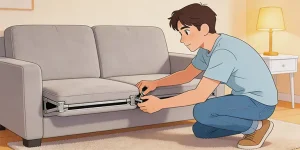
So, you’ve set it up and it looks great. But how will it hold up? The long-term safety and sturdiness of your compact sofa come down to two things: assembly and daily use. First, follow every assembly step meticulously. Ensure all screws, bolts, and connectors are fully tightened. A wobbly frame isn’t just annoying; it’s a potential hazard. Second, consider the weight capacity. Most modern sofas are designed for typical household use, but it’s always good to check the manufacturer’s guidelines. A well-made, properly assembled compressed sofa should offer the same stability and security as any traditional furniture piece. I’ve had mine for three years with daily use, and it’s as solid as day one.
Making a Safe & Smart Choice
Feeling informed? Here’s a quick checklist to guide your purchase and ensure you’re bringing home a safe, high-quality piece. Let’s turn those “are packaged sofas reliable” worries into confident buying decisions.
1. Research the Brand: Stick with reputable companies known for quality flat-pack furniture. Read reviews that specifically mention construction and durability.
2. Decode the Description: Look for specifics on frame material (hardwood, plywood), cushion foam type (HR foam, high-density), and fabric quality.
3. Verify Certifications: Confirm fire safety compliance labels are present. You can learn more about general furniture safety standards from authoritative sources like the UK Government’s guidance on furniture fire safety.
4. Understand the Warranty: A good warranty (at least 1 year on frame, 1 year on cushions) shows the manufacturer stands behind their product’s safety and longevity.
5. Plan Your Space: Measure your room! Ensure there’s enough space to unbox and assemble the sofa comfortably, reducing the risk of accidents or damage during setup.
Final Thoughts on Compressed Sofa Safety
So, are compressed sofas a safe option? Absolutely. The key is being an informed shopper. The technology behind vacuum-packed furniture is designed for efficiency, not to compromise on safety. By focusing on quality materials, verified safety standards, and careful assembly, you can enjoy all the benefits—convenience, value, and modern style—without a second thought. Your dream sofa is out there, safely packed in a box, waiting to become the cozy centerpiece of your home. Happy sofa hunting!